- The Bridge
- Posts
- InVision's Rise and Fall
InVision's Rise and Fall
What every founder can learn from InVision's closure

Rachel Weissman
January 07, 2024
Read on: racheldweissman.com
Read time: 4 min
Welcome to The Entrepreneur’s Edge, weekly insights on AI and peak performance to shape the future of entrepreneurship.
I graduated from design school about ten years ago.
InVision was at its peak.
Every designer with influence worked at InVision (or at least it seemed so).
It was one of the coolest companies in the market through a budding designer's eyes.
As years passed, market dynamics and competition shifted.
There are so many company success or failure stories.
Yet, the InVision shutdown story is vital for founders to learn from.
1. Adapt to market dynamics and competition
InVision's downfall was partly due to intense competition from companies like Figma and Adobe XD, which offered more innovative features and free access.
You must continuously monitor market trends and competitor strategies.
Adapting to market changes and innovating in response to competition is crucial for sustained success.

via FasterCapital
2. Prioritize user-centric innovation
Despite InVision's early innovation, it struggled to keep up with the evolving needs of its user base, while competitors like Figma catered to these needs more effectively.
You should always prioritize user feedback and preferences in your innovation strategies to ensure you are meeting and exceeding customer expectations.
via Product School
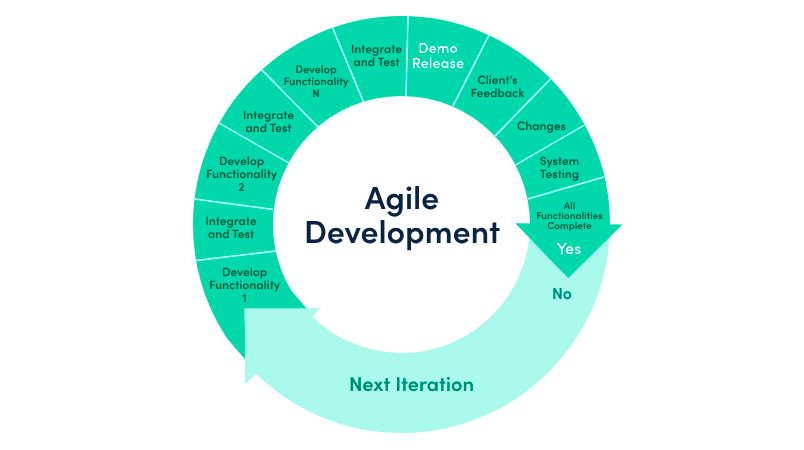
3. Embrace agile product development
InVision's "InVision Studio" launch faced performance issues, impacting its adoption.
Be sure to embrace agile product development, ensuring quick responses to issues and the ability to pivot strategies efficiently.
This helps in maintaining product relevance and customer satisfaction.

via Kajabi
4. Financial resilience and diversification
InVision experienced a significant revenue drop, which drastically affected its market position.
You should focus on building financial resilience, diversifying income streams, and managing resources efficiently to withstand market fluctuations and unexpected challenges.
In a world that’s changing really quickly, the only strategy that is guaranteed to fail is not taking risks.
5. Strategic decision-making in crisis
The ultimate decision to shut down InVision reflects the importance of making strategic decisions during crisis periods.
Be prepared to make tough choices, including strategic pivots or even discontinuation, when necessary to preserve overall business health and resources.
InVision's shutdown emphasizes the critical importance of dynamic adaptability.
Success is not just about the initial breakthrough or market entry.
It's about continually evolving and responding to changing market landscapes, user needs, and competitive pressures.
You must maintain a balance of innovation, user-centric approaches, financial agility, and strategic foresight.
The InVision story serves as a stark reminder:
Even well-established companies can falter without ongoing adaptability and proactive strategy.
See you next week,
Rachel
Are you a founder preparing to fundraise?
Potential AI arms exceptional tech entrepreneurs with the narrative skills of history's most influential leaders, enabling them to secure millions in funding.
Whenever you’re ready, here are three ways I can help you:
Consulting: Grab time with me for a 1:1 consulting session on AI, company building, peak performance, or anything else.
CEO Coaching: Work with me as your CEO Coach. I work with top CEOs and founders to elevate their leadership through inner mastery and strategic resilience.
Speaking: Inspire and motivate your organization with the power of AI, creativity, decision-making, productivity, innovation, leadership, and mindfulness. Get in touch.

If you enjoyed today's newsletter, please share it with someone looking to shape the future of entrepreneurship. And, if this email was forwarded to you, consider subscribing to receive them in the future!